




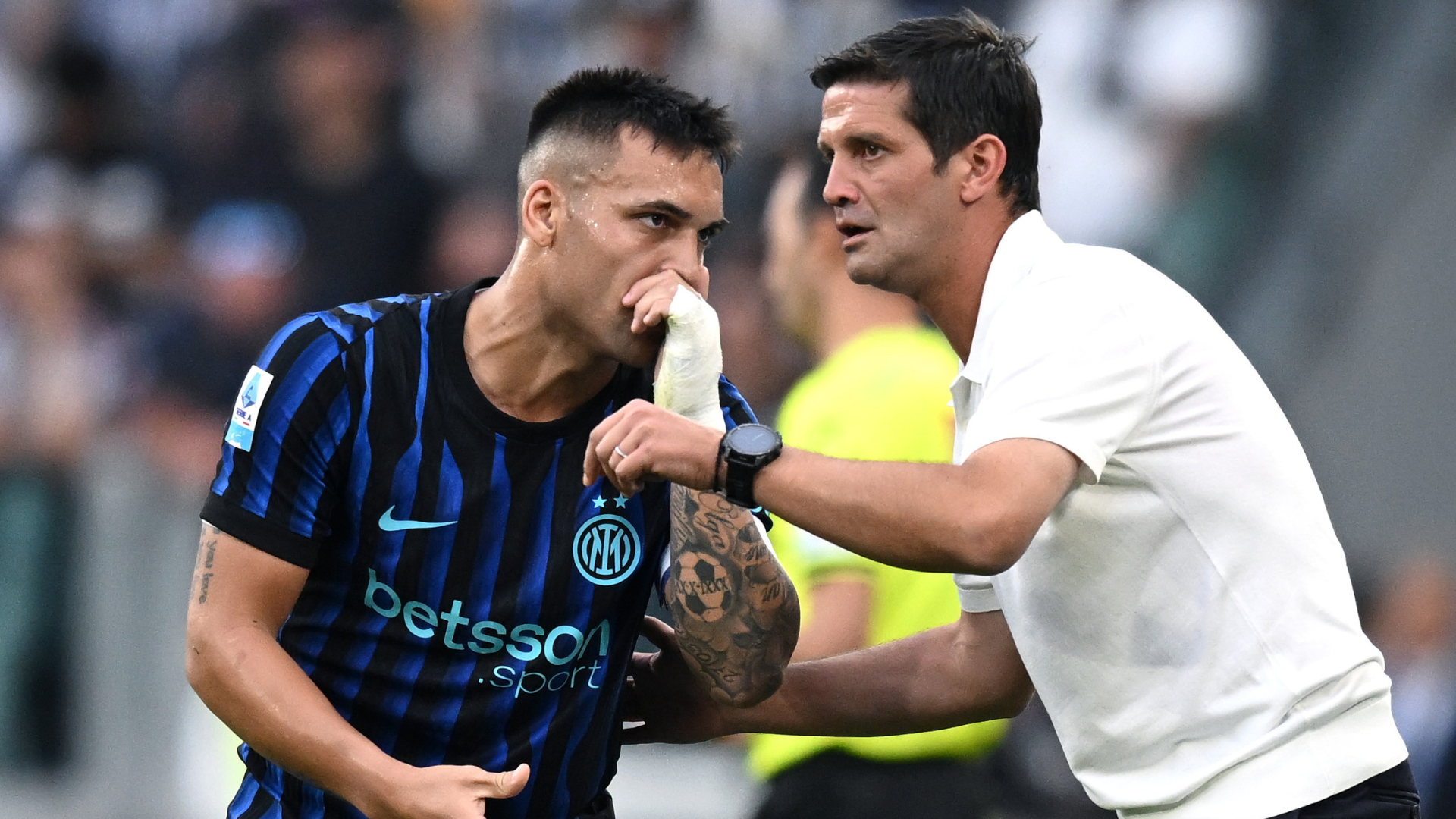
Inter Milan is currently navigating a transformative phase under new head coach Cristian Chivu, who succeeded Simone Inzaghi after a disappointing Champions League final defeat to PSG. Appointed in the summer of 2025, Chivu has quickly made his mark, leading Inter to the top of the Serie A standings with a four-point cushion over rivals AC Milan. This success contradicts initial concerns regarding his managerial experience, as he previously managed only 13 Serie A matches with Parma.
While the results speak for themselves, it’s essential to recognize the nuanced changes Chivu has introduced, shifting the team dynamics and tactics significantly compared to previous seasons. Let’s delve into the crucial adjustments made since his appointment.
Viewing information
- Date: Wednesday, Jan. 28 | Time: 3 p.m. ET
- Location: Signal Iduna Park — Dortmund
- Live stream: Paramount+
- Odds: BVB +190; Draw +248; Inter +136
Fluidity in Rotations
Inter’s roster is experiencing heightened involvement during matches, but it’s not due to an increased number of substitutions by Chivu. Instead, his flexibility in in-game management marks a departure from Inzaghi’s more rigid rotation strategy. A case in point is Federico Dimarco’s resurgence under Chivu. Previously, Dimarco saw limited playtime, but now he’s emerging as a key figure within the team. His personal insights reflect this change, emphasizing the importance of game time in developing fitness.
Dimarco’s own words echo this sentiment: “You can only train for matches by actually playing them. The more you play, the better your fitness gets. Coming off in the 60th minute made it challenging to condition myself. This year, I’m getting more minutes.”
Other players, particularly strikers, have also benefited from this approach. While Lautaro Martinez and Marcus Thuram are the primary attacking forces, young talents like Yann Bonny and Francesco Pio Esposito are now integral to Chivu’s plans. This contrasts sharply with last season under Inzaghi, when Marko Arnautovic and Mehdi Taremi did not match the performance levels of the starting forwards. Chivu’s effective management has turned all four strikers into competitive starters, positively impacting their contributions on the field.
More Direct Possession
Alongside changes in player rotations, the team’s style of play has also evolved. Statistical comparisons between the 2024-25 and 2025-26 seasons reveal that while ball possession remains similar—59.9% in Inzaghi’s final season versus 59.5% under Chivu—how Inter utilizes that possession has shifted significantly.
Last season, possession often felt stagnant, relying heavily on a backward approach, with defenders and the goalkeeper frequently engaged in ball distribution. The ball would move through the midfield but rarely made its way to the wingers effectively.
This season, however, the tactical focus has shifted toward more dynamic advancing play. Chivu’s strategy emphasizes immediate transitions, channeling the ball rapidly into the attacking third. Although Inter’s total passes have slightly decreased from 486 to 463, the number of passes in the final third has increased, jumping from 107 to 126. Conversely, passes made in their own half have reduced, showcasing a clear intention to play forward more decisively.
While this style may not be universally superior, it certainly offers a fresh perspective. The clarity of this new approach will likely unfold in the months to come, especially as Inter aims to secure a trophy to rebound from last season’s disappointments, where they ended without silverware despite a strong showing in both Serie A and the Champions League.