










LONDON — Alexander Isak’s goal could signal a turning point for him. While the buildup didn’t hint at a breakthrough moment, one significant goal can often pull a player from a slump. Isak’s strike for Liverpool not only put them ahead but also came during a match where they struggled to assert dominance against Tottenham.
This is precisely why Liverpool splashed out $175 million on him. Such game-changing moments had been too rare for the team, who ultimately secured a 2-1 victory.
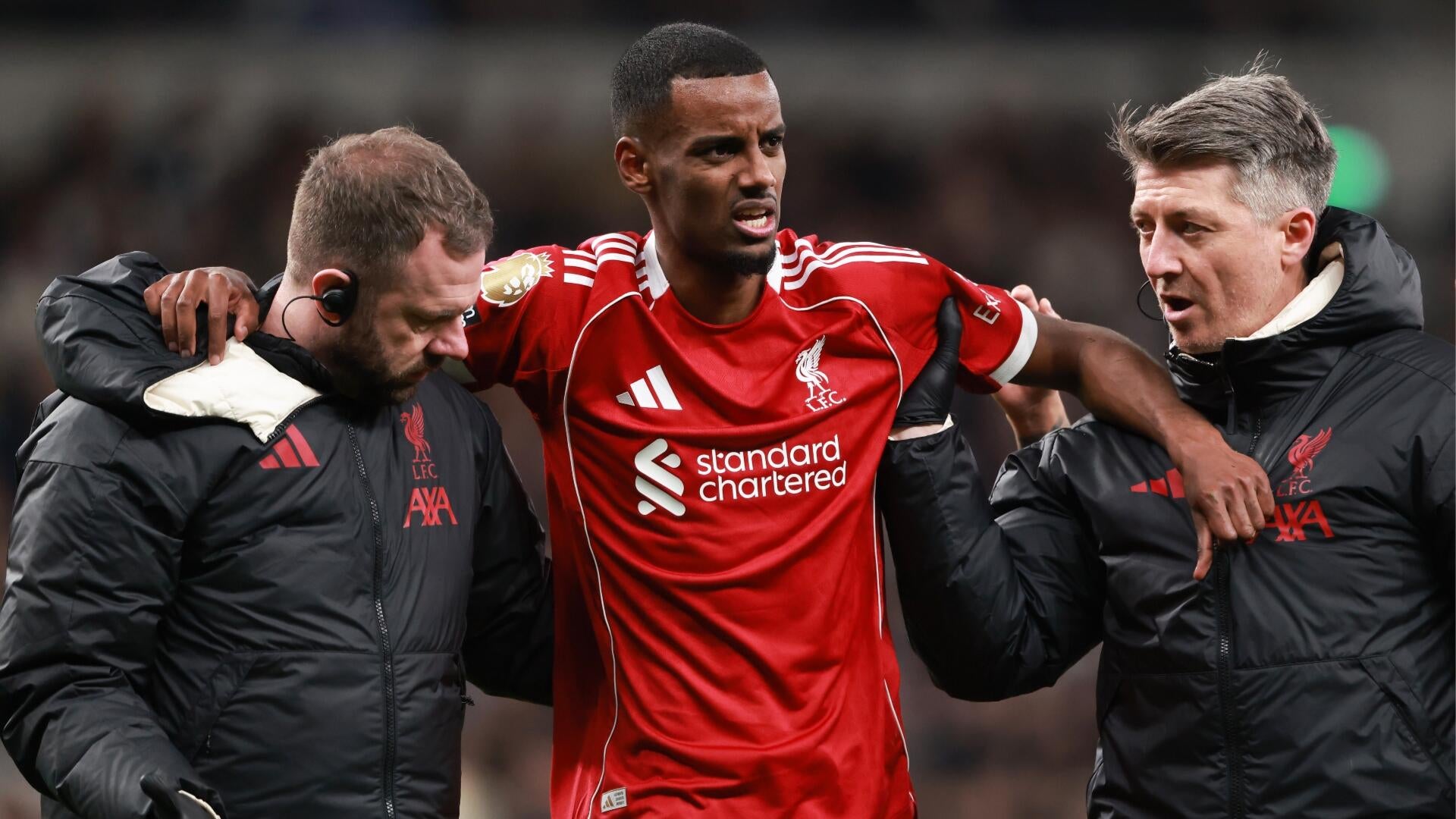
Tragically, Isak’s moment of glory was overshadowed by a collision with Micky van de Ven after he shot. Isak went down in discomfort, evoking immediate concern. Instead of celebrating, he lay on the pitch, his hand covering his eyes while gripping his left knee. He feared the worst.
Though he did not require a stretcher, Isak limped off with the support of two Liverpool physios, deepening worries about his fitness. How long before he could energize his new club? Such thoughts inevitably arise, especially considering Isak’s history of injuries during his time at Newcastle. Questions about his participation in upcoming qualifiers for Sweden added to the tension. Knee injuries hold a certain dread, despite advancements in recovery protocols.
For coach Arne Slot, it was too early to jump to conclusions, although he admitted he had a negative gut feeling. “I don’t have any news on him,” he stated. “When a player scores and then doesn’t return or attempt to rejoin play, that tends to signal underlying issues. That’s just my intuition—no medical insight yet.”
Regardless of the situation, Slot acknowledged Isak’s goal in his post-match comments, crediting Florian Wirtz for the assist.
Despite Slot’s attempts to focus on positives, Liverpool’s season narrative suggests misfortune continues to plague the team. Moments of triumph are fleeting; they too often dissipate swiftly. Isak’s goal could have provided a glimpse into the potential of a team still finding its cohesion.
His goal sparked concerns across the Premier League, especially considering the hefty investment made for him. A careless moment from Cristian Romero led to the ball falling for Isak, who, after showcasing brilliant hold-up play, passed to Hugo Ekitike. Ekitike’s quick connection found Wirtz, who assisted Isak’s low shot into the net.
“That’s the kind of action we want to see more of,” Slot said. “Good finish, good assist. Let’s maintain some optimism. We don’t know what’s next for him, so let’s hope he recovers quickly.”
While that may seem like an overstatement, Liverpool’s attack left much to be desired. Their strategies during the match lacked potency. Ekitike’s header cemented their lead, but even facing a diminished opponent, they failed to capitalize effectively. It’s alarming that Liverpool was outshot five to one before Xavi Simons’ red card; Tottenham held control in the early stages.
Even after the chaotic phases of the match, Liverpool’s inability to seize control was evident. They survived against a nine-man Tottenham, yet this isn’t the first time they’ve had to cling to results. Slot’s team continues to grapple with consistency and cohesion.
“It’s a complex challenge,” Slot remarked. “When explaining why it’s difficult, opponents might take those insights as an advantage against us.”
When Liverpool had possession, it was their inability to keep the ball that frustrated Slot the most. In the nine added minutes, Tottenham dominated possession. Whenever Liverpool gained the ball, it was often squandered far too quickly.
This issue compounds with their defensive vulnerabilities, especially against swift counterattacks. There were glimpses of potential, like a breakaway from Kolo Muani, but overall, it felt reminiscent of their earlier match against Inter—a game where they largely suffocated attacking plays.
The reasoning should be clear: exploiting disarray from opponents should translate into meaningful scoring opportunities. Instead, Liverpool’s recent formations resemble a disjointed group, missing the cohesive edge needed to succeed.
These issues stem, in part, from a recruitment strategy that seemingly lacks balance—overemphasizing certain roles while neglecting others essential for full-field play. The pressing need to address squad dynamics is evident, but with talent available, there remains hope for breakthroughs in performance.



